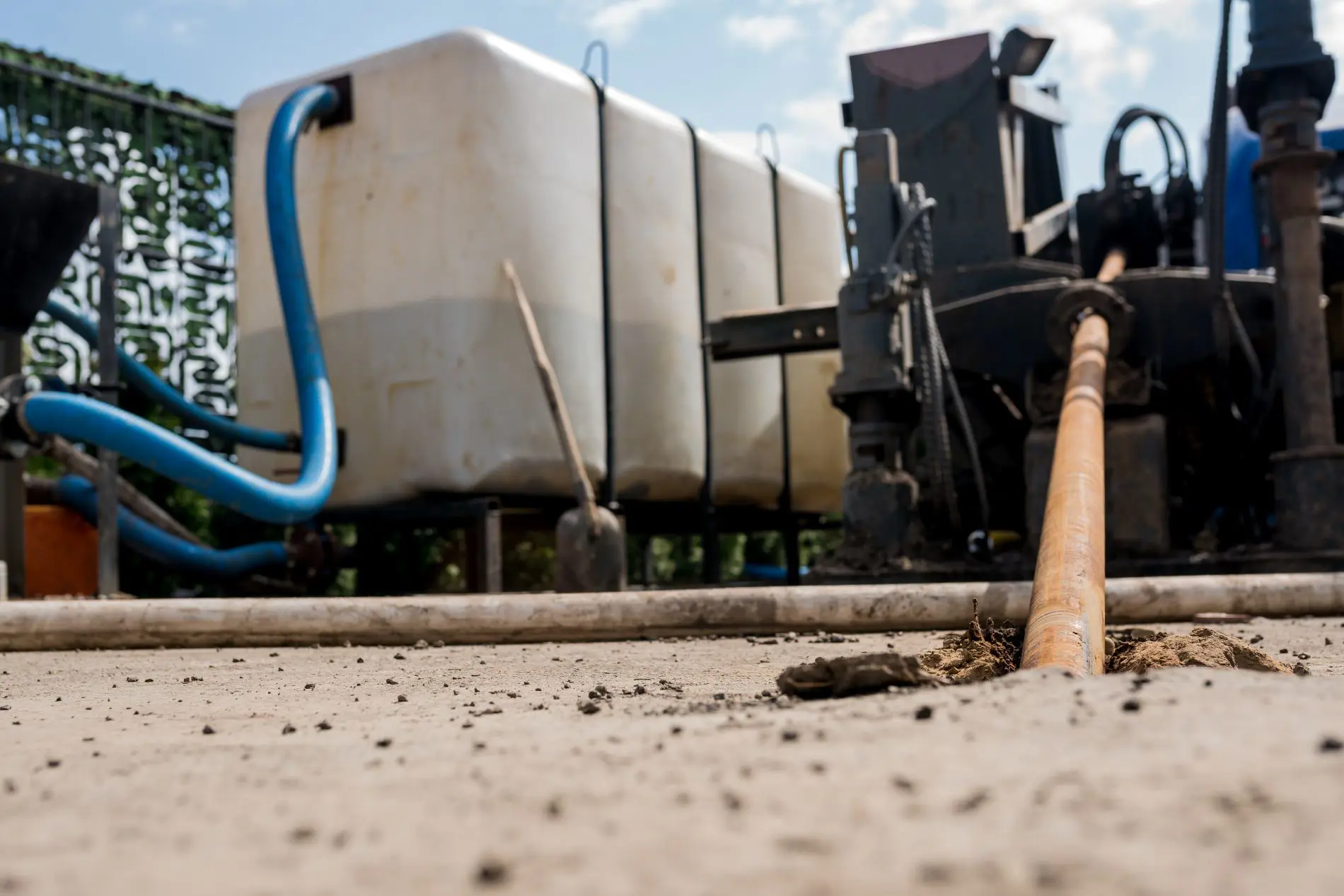
Septic Services in North Dakota

Dependable Septic System Care From Drain Man

Drain Man provides professional septic services for residential, commercial, rural, and managed properties throughout North Dakota. From system troubleshooting and underground line repairs to septic excavation, component replacement, and wastewater flow concerns, our experienced crew helps identify the source of the problem and develop a practical long-term solution.

Septic System Troubleshooting Underground Line Support Septic Excavation Repairs and Replacements
Professional Septic Support

Protect your property with septic solutions built around the actual cause of the problem.

When a septic system is working correctly, wastewater leaves the property, drains move freely, the surrounding ground stays dry, and the system quietly completes its job below the surface. When something goes wrong, however, the results can quickly affect sanitation, comfort, property value, and the performance of the entire plumbing system.

Drain Man understands that a septic issue is not always limited to the tank. Slow drains, odors, backups, and soggy areas may be connected to an interior plumbing clog, a damaged building sewer, a blocked septic inlet, an outlet problem, an overloaded tank, or a drainfield that is no longer accepting wastewater properly.

  • Residential and commercial septic system support
  • Septic and sewer line troubleshooting
  • Excavation for damaged underground components
  • System performance and wastewater flow evaluations
  • Practical repair and replacement recommendations
Discuss Your Septic System
Septic system services in North Dakota
Our Septic Capabilities

Septic system services for underground wastewater problems

Septic systems connect plumbing, sewer lines, tanks, outlets, soil treatment areas, and underground components into one working system. Drain Man approaches septic work with an understanding of how each part affects the next.

System Troubleshooting

We evaluate septic symptoms to help determine whether the problem begins inside the building, along the sewer line, inside the tank, or farther into the treatment area.

  • Slow drain evaluations
  • Backup troubleshooting
  • Odor investigations
  • Wastewater flow concerns

Septic Line Services

Damaged, shifted, clogged, or root-affected piping can prevent wastewater from moving correctly between the property and the septic system.

  • Building sewer support
  • Blocked septic inlet lines
  • Damaged pipe repairs
  • Underground line replacement

Septic Excavation

When underground components need to be accessed, repaired, or replaced, careful excavation helps expose the system while reducing unnecessary disturbance.

  • Tank and line access
  • Trenching and site preparation
  • Underground component exposure
  • Backfilling and site restoration support

Repairs and Component Support

Septic system performance can be affected by cracked piping, damaged fittings, worn components, poor alignment, or age-related deterioration.

  • Targeted septic repairs
  • Pipe and fitting replacement
  • Flow correction support
  • Damaged component evaluation

Backup and Drainage Concerns

Multiple slow drains, gurgling fixtures, sewage backups, and recurring clogs may indicate a larger issue beyond a single fixture.

  • Whole-property drainage symptoms
  • Recurring backup concerns
  • Main line restrictions
  • Septic system overload issues

Repair or Replacement Guidance

We help property owners understand whether the problem is isolated enough for repair or widespread enough to justify a more complete replacement approach.

  • System age considerations
  • Condition-based recommendations
  • Long-term performance planning
  • Scope and access evaluation
Our Septic Service Process

From the first warning sign to a practical solution

Septic problems can involve several connected systems. Our process is designed to evaluate the symptoms, narrow down the cause, and determine what work is appropriate for the property.

01

Initial Conversation

We discuss the symptoms, property type, system history, recent pumping or repair work, and when the problem first appeared.

02

System Evaluation

Our crew evaluates the affected drains, sewer line path, septic components, surrounding ground, and visible warning signs.

03

Cause Identification

We determine whether the issue is related to a clog, damaged line, overloaded tank, underground component, soil condition, or treatment-area concern.

04

Recommended Solution

The proposed work is based on the actual condition of the system, access requirements, repair needs, and long-term property goals.

Know the Warning Signs

Septic problems often begin quietly before becoming major disruptions.

A single slow sink may be caused by a localized drain clog. When several drains slow down together, toilets begin gurgling, or wastewater backs up into tubs and floor drains, the restriction may be farther into the plumbing or septic system.

Outdoor symptoms are also important. Sewage odors, standing water, spongy soil, or unusually green grass near the septic area may indicate that wastewater is surfacing or that the soil treatment area is struggling to absorb additional flow.

Septic problems rarely correct themselves. Scheduling an evaluation early may help prevent solids from reaching the drainfield, reduce the risk of wastewater damage, and limit the amount of excavation needed.

Schedule an Evaluation

Signs Your Septic System Needs Attention

  • Slow drains throughout the property
  • Gurgling toilets or plumbing fixtures
  • Sewage odors inside or outside
  • Wastewater backing up into tubs or floor drains
  • Standing water near the septic area
  • Spongy or unusually green grass over the system
  • Recurring clogs that return after cleaning
  • Wet ground around the tank or drainfield

How a Septic System Works

A septic system acts as a small wastewater treatment system located on the property. Wastewater from toilets, sinks, showers, laundry equipment, and other plumbing fixtures travels through the building sewer and enters the septic tank.

01

Wastewater Enters the Tank

All wastewater leaving the building flows through the main sewer line and into the septic tank, where the separation and treatment process begins.

02

Solids and Liquids Separate

Heavy solids settle at the bottom as sludge. Oils, fats, and lighter materials float to the top as scum. Liquid wastewater remains in the middle.

03

Effluent Moves to the Soil

Liquid effluent leaves the tank and enters the drainfield or approved soil treatment area, where natural filtration and microbes continue the treatment process.

Protect the System Between Professional Service Visits

A septic system performs best when water usage is managed and inappropriate materials are kept out of the plumbing. Large amounts of water entering the system at once can disturb settled solids, overload the tank, and place additional pressure on the drainfield.

The drainfield also needs physical protection. Vehicles, heavy equipment, structures, and deep-rooted trees can compact the soil or damage underground piping. Keeping the treatment area clear helps preserve absorption and long-term performance.

Request Septic Service

Septic Care Tips

  • Do not flush wipes, paper towels, or hygiene products
  • Keep grease, oil, and food waste out of drains
  • Space out laundry and other water-heavy activities
  • Repair leaking toilets and plumbing fixtures
  • Avoid harsh chemicals that disrupt tank bacteria
  • Do not park vehicles over the septic area
  • Keep deep-rooted trees away from underground lines
  • Maintain records of past septic service

Frequently Asked Questions About Septic Services

Learn more about septic backups, pumping, water use, drainfields, underground lines, excavation, and long-term system care.

Yes. Pumping removes accumulated solids from the septic tank, but it does not repair damaged piping, broken components, root intrusion, poor drainage, compacted soil, or a failing drainfield. If symptoms continue after pumping, another part of the system may require attention.

When several fixtures are affected, the restriction is often beyond a single sink or tub. The problem may involve the main drain, building sewer, septic tank inlet, tank outlet, or the system's ability to accept additional wastewater.

Heavy water use can overwhelm the system, push wastewater through the tank too quickly, disturb settled solids, and overload the drainfield. Spacing out laundry, repairing leaks, and avoiding unnecessary water use can reduce stress on the system.

Natural bacteria are already present inside a functioning septic tank. Additives do not replace pumping, responsible water use, inspection, or professional repairs. Harsh chemical products may also interfere with the bacterial balance inside the tank.

Sewage odors may indicate surfacing wastewater, a saturated treatment area, a damaged line, a tank problem, or a venting issue. The odor should be evaluated, especially when it appears with slow drains, wet soil, or plumbing backups.

Yes. Roots seek moisture and can enter small openings in underground piping. Once inside, they may grow, trap debris, reduce flow, and eventually damage or separate the line.

Solids can clog the soil treatment area and reduce its ability to absorb wastewater. This can contribute to backups, standing water, odors, and drainfield failure. Regular pumping helps reduce the risk of solids leaving the tank.

No. Some issues can be addressed through cleaning, troubleshooting, or targeted service. Excavation may be required when underground piping or system components are collapsed, separated, damaged, deeply clogged, or in need of replacement.

Yes. Septic or sewer gas odors inside the property may indicate a drainage, venting, plumbing trap, line, or system issue. Persistent odors should be inspected, particularly when combined with slow drainage or backups.

The answer depends on the system's age, the location of the failure, the condition of the tank and piping, drainfield performance, and whether the problem is isolated or widespread. A professional evaluation helps determine which option provides the better long-term result.